Author of Your Own Behaviour Matters

 \
\
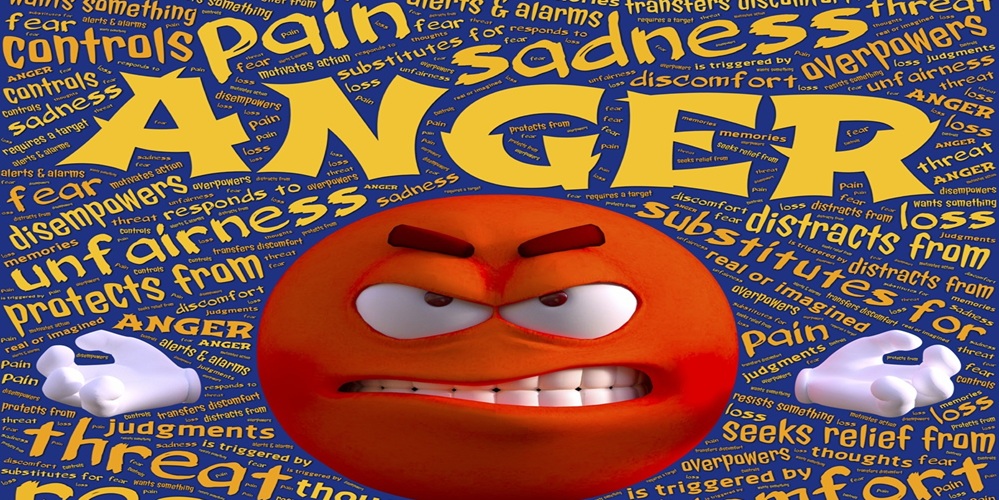
Author of your own behaviour is what flashes through your mind in the split second after the words leave your mouth and you cannot pull them back. The classroom goes quiet. A mate’s expression shifts, just slightly, like they have been tapped in the chest.
At home, a bedroom door hits the frame hard enough to rattle a picture in the hall. In the glow of a phone screen, a message lands with the weight of a thrown stone, and regret arrives so fast it feels like it was waiting.
In those seconds, it is easy to swear it was automatic. That the mood, the pressure, or the look on someone’s face wrote the line for you. Yet the hardest truth of growing up is this: even when emotion is loud, choice still exists.
When Labels Start Writing Your Lines
On school grounds, labels cling like wet uniforms. They start as jokes, then harden into reputations: the “dramatic one,” the “angry one,” the “lazy one.” Even “the good kid,” said often enough, becomes a trap that makes mistakes feel like catastrophes.
By the time the bell goes for lunch, a person can feel as though their behaviour has already been decided. A Year 9 student snaps at a friend after noticing they were left out of a group chat, and the anger feels sharp, righteous, and protective.
Later, walking home, the student tells themselves it was inevitable, that they are just the kind of person who will not be disrespected. The label offers comfort because it removes responsibility.
At home, labels arrive dressed as complaints. “You’re always like this.” “You never listen.” “You’re so rude.” Parents reach for these phrases when they are exhausted, when a long day and a short temper collide.
Behaviour Is Not Identity
Teens hear the verdict and stop trying to explain. It is easier to wear a label than to keep proving you are more than your worst moment.
But behaviour is not identity. It is a response, shaped by stress, history, hormones, exhaustion, hunger, and the fear of not belonging.
When a teen understands they are still under construction, and a parent remembers the same, a new possibility appears. The story can be rewritten without pretending the hurt never happened.
The Tiny Gap No One Sees
It often starts with something small: a notification buzzing on a desk, a teacher’s comment that lands a little too publicly, or a teammate’s smirk after a missed shot. The body reacts first: chest tight, face hot, jaw set. It can feel as though the reaction arrives fully formed, like a reflex you never agreed to.
Yet between the feeling and the action there is a gap. It is as slim as a breath, but it is there. That gap is where emotional regulation lives, not as perfect calm, but as a brief moment of noticing.
The feeling surges, and you recognise it. You name it, even silently: anger, shame, fear, disappointment. The name does not erase it, but it slows it down.
Strength Looks Like Choosing Differently
A teen can learn that self-control is not being numb or endlessly nice. It is strength with your pulse racing. Your decision not to humiliate someone back, even when humiliation is what you are tasting.
Your choosing not to send the message that will make you feel powerful for five seconds and sick for five days.
Parents live in this gap too. A sharp tone at the dinner table can feel like disrespect, and a messy room can feel like a personal insult after a week of doing everything.
In those moments, the adult who pauses does more than keep the peace. They model authorship. They show that feelings can be real without being in charge.
The First Edit That Changes Everything
Revision rarely arrives as a grand apology speech under perfect lighting. It shows up in ordinary moments, when nobody is watching and there is no applause. Revision looks like a teen who used to storm off now saying, “I need a minute,” and actually taking one. Here is where you start to be the author of your own behaviour and begin writing your script.
It looks like a parent who used to fill every silence with advice now asking, “What do you reckon would help?” and waiting for the answer, even if it comes out messy.
In one family, a Saturday morning argument starts over nothing: a half-finished chore, a tone that turns sharp. A parent’s voice rises, the teen’s face closes, and the old script is ready to roll.
Then the teen stops, hand on the bench, breathing like they have run a lap. “I’m not doing this right now,” they say, and it is not a slam or a threat. It is a boundary they are learning to hold.
When Parents And Teens Share The Pen
Adolescence can turn a household into a tug-of-war. Teens pull towards independence, privacy, and being treated as capable. Parents pull towards safety, responsibility, and preventing disasters they can picture in frightening detail.
The rope burns both sides. Voices rise. Doors close. Everyone insists they are not being heard.
Under the behaviour, there is usually something more tender. A parent’s anger can be fear in a louder outfit: fear of the world’s cruelty, fear of wasted potential, fear that one bad choice will become a habit.
A teen’s defiance can be dignity: the need to be seen as more than a problem to manage, and the need to have their feelings treated as real, even when they are big.
Repair Changes The Temperature
The turning point in many homes is not who proves they are right. It is who returns first. Not to surrender, but to repair.
A quiet kitchen after an argument can feel like the emotional aftermath of a storm. One person walks back in, not because they have the perfect words, but because they have decided the relationship matters more than the moment.
“I didn’t handle that well,” they say. It is a sentence that changes the temperature of a room.
The Moment Before The Moment
Life does not announce its tests with a countdown. They arrive in real time, without rehearsal: the unfair call in a tight match, the friend who suddenly goes cold, the exam mark that stings, or the comment online that hits a sore spot you did not know was there.
Each moment carries a spark, and it only takes a second for the spark to become a fire. Just before it catches, there is that familiar gap: a breath, a heartbeat, a choice nobody will applaud. This is the time that you have the best opportunity to be the author of your own behaviour.
In that space, self-respect is built. Reputation is built. Trust, once broken, begins to rebuild there too, not through grand promises, but through consistent, smaller decisions.
A teen who practises this becomes steadier under pressure, not because they never feel, but because they learn to feel without being dragged. A parent who practises it becomes safer to approach, not because they allow everything, but because they respond with intention.
Conclusion
Author of your own behaviour is not a slogan designed to shame mistakes. It is an invitation to notice the gap between feeling and action, and to write something better in the seconds that matter most. For teens and parents, the story is still unfolding. Emotions will surge, pressure will press in, and some days will end with regret. Even then, the pen does not disappear: return to the page, take one breath, and choose the next line with care.
GSR Tips & Tricks
How best to use Goalstar Rewards to help your child achieve their goals? How It Works
Enjoy 4 weeks of free trial for each child. Register to Start 4 Weeks Free Trial!
Here is an interesting article on Smart Study Techniques:
•Understanding and Managing Anger
